
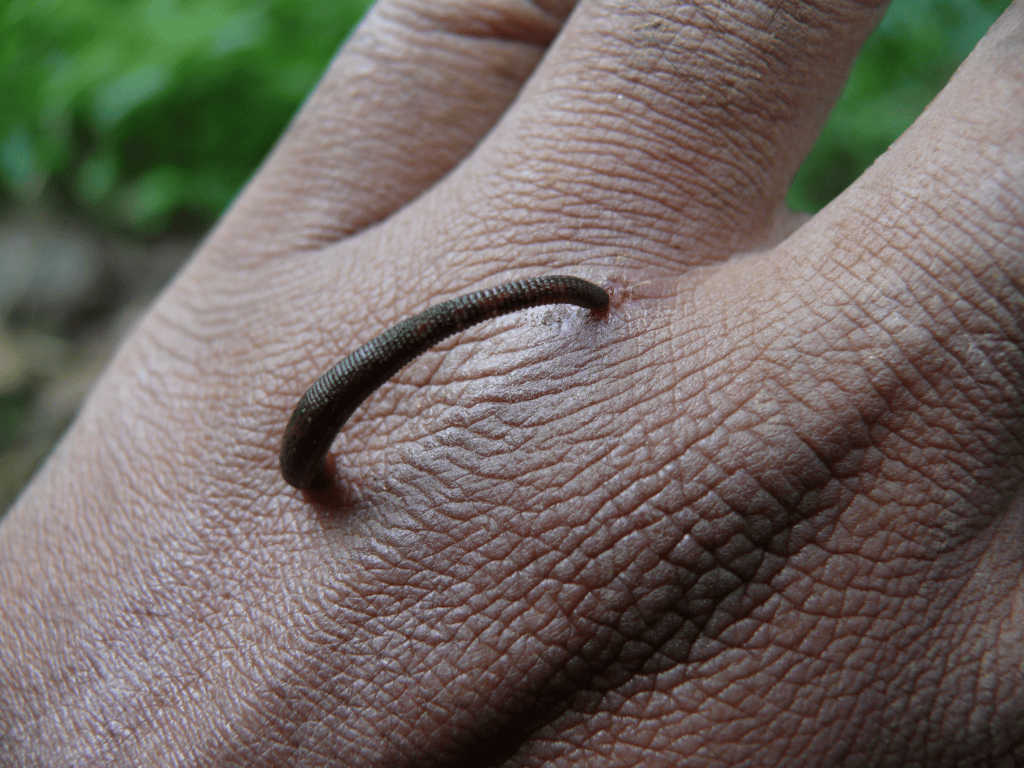
Nature’s very own vampires
Lurking just beneath the surface of many water bodies is a creature that perfected the art of bloodsucking millions of years before Dracula even entered our consciousness—that is, the common leech.
When people think of leeches, they often think of vampire-esque worms swimming
through the water, waiting for the right person to jump in to attack and hook on to.
However, bloodsucking leeches make up the minority of leech species within the class
Hirudinea, characterizing only approximately 10 percent of identified leeches.
Most bloodsucking leeches are found in freshwater habitats, such as stagnant water or slow-moving streams. Feeding through blood sucking (a form of parasitism), leeches latch onto a host with their oral suckers, cut the skin with tiny teeth, and drink blood using special numbing and thinning anticoagulants found in their saliva.
Leeches sense movement in the water using specialized mechanoreceptors to detect vibrations, shadows, and water body temperature changes in the aquatic environment, allowing them to quickly latch onto a host. These worms feed on more than just humans, attaching to hosts such as deer, fish, frogs, salamanders, turtles, and waterfowls. Between blood feedings, leeches can go an astounding 6 to 18 months before finding a new host.
However, leeches may not always have been blood suckers. Some research suggests that blood-sucking leeches evolved from freshwater worm ancestors (which are also ancestors to modern-day earthworms), and may not have fed on vertebrate blood. According to recent fossil evidence, these predecessors likely hunted small marine mammals.
Outside of this ecological wonder, leeches have inspired much of vampiric folklore.
Leeches were once widespread in medical practice, having been used for bloodletting practices since approximately 3500 years ago.
Vampirism, or blood sucking, is a trait that has evolved more than twenty separate times across different animal lineages, allowing animals to exploit larger vertebrates and create a nutrient-rich diet. While vampires may not be real, blood-sucking parasitism certainly is and appears to have many benefits within the animal kingdom as a well-exploited functional trait.